
Refrigerants in solar hot water systems: what NZ's HFC phase-down means for you
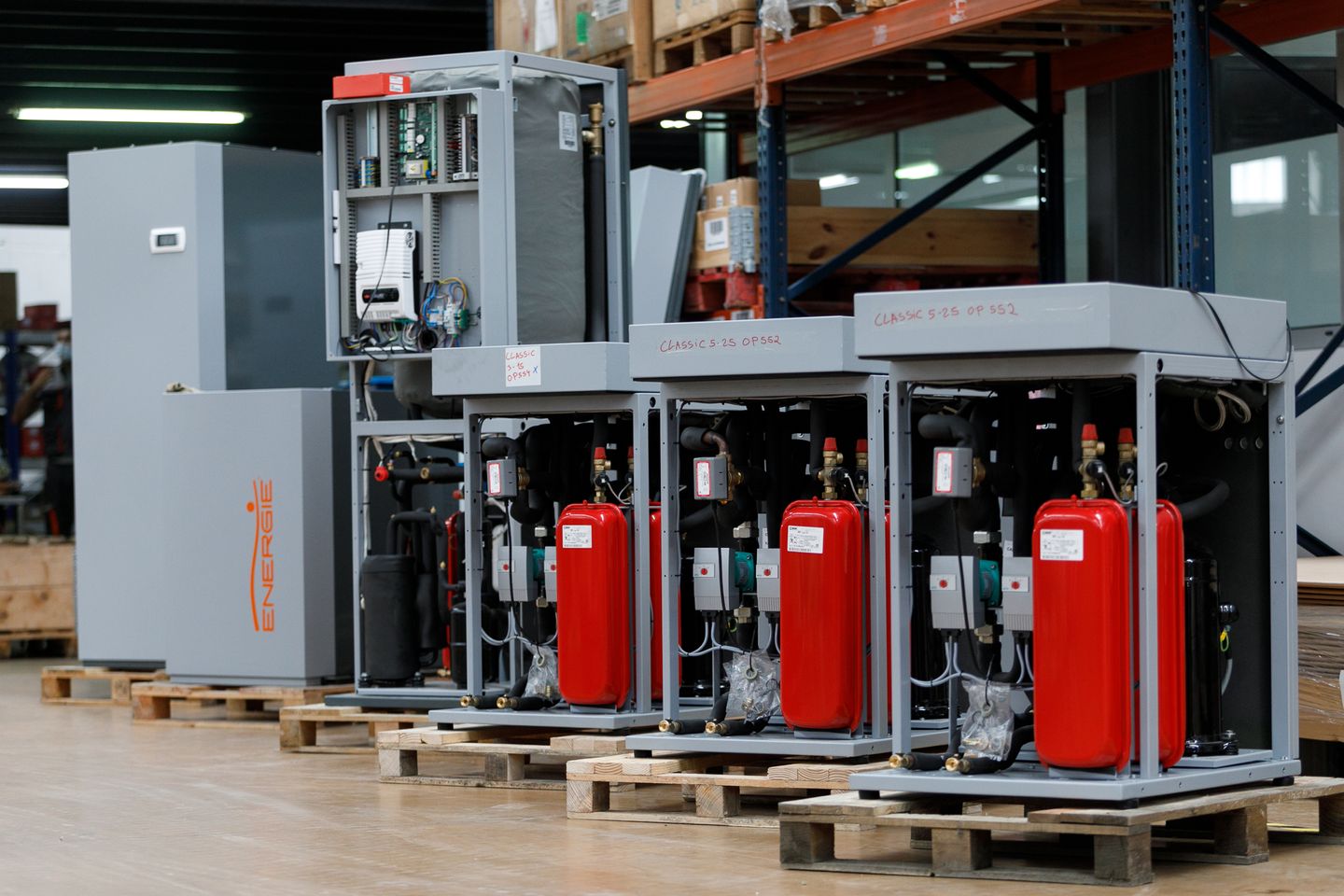 Solar thermodynamic and heat pump hot water systems use a refrigerant to carry heat from the air and sun into your water. Some refrigerants are powerful greenhouse gases if they leak. That's why New Zealand, like most countries, is phasing down the ones with the highest global warming potential (GWP).
What's happening in New Zealand
New Zealand is phasing down hydrofluorocarbons (HFCs) under the Kigali Amendment to the Montreal Protocol. Imports are controlled by permit and are being cut in steps. HFCs are also covered by the NZ Emissions Trading Scheme and a synthetic greenhouse gas levy, which push up the cost of high-GWP gases over time. The Ministry for the Environment has also consulted on further limits for new equipment.
There has been talk that this will make existing systems obsolete. It won't. Here's why.
Energie's move to R513A
In June 2025, Energie received MCS certification for its ECO and ECOTOP ranges using the refrigerant R513A. MCS is a demanding international quality scheme. Certification covers the products, how they're made and how installers are trained.
| Refrigerant | GWP | Safety class | Used in |
|---|---|---|---|
| R407C | 1,624 | A1 (non-flammable) | Solar Block (earlier systems) |
| R134a | 1,300 | A1 (non-flammable) | Eco and EcoTop (earlier systems) |
| R32 | 677 | A2L (mildly flammable) | Many air-to-air heat pumps |
| R513A | 573 | A1 (non-flammable) | Eco and EcoTop (current) |
| R454C | 146 | A2L (mildly flammable) | Solar Block (replacement for R407C) |
GWP values: IPCC Fifth Assessment Report (AR5), 100-year.
If you already have a system
- Eco and EcoTop on R134a: R513A is a direct drop-in replacement. No changes are needed to the system, panels or pipework. We already have systems running on R513A with no problems reported.
- Solar Block on R407C: The replacement, R454C, has very similar characteristics and a GWP of 146. That puts it under the 150 threshold usually used for "low GWP". It's classed as mildly flammable (A2L), so a switch would probably need a compressor change. That's straightforward, and the panels and pipework stay as they are.
The refrigeration industry moves quickly, and even lower-GWP options (such as R1234yf and R1234ze) are already in use elsewhere. We're confident there will be good options for every system for as long as it's in service.
Have a question about your system's refrigerant? See our owner's manuals, learn how the system works, or contact us on 03 540 3003.